Purpose Statement
We are a unique members’ organisation which has thrived for over 300 years. Having no political or religious affiliations, we comprise members of all ages, races, religions, cultures and backgrounds. We gather in our individual Lodges throughout the country where we have ceremonial traditions which encourage us both to be more tolerant and respectful and actively fulfil our civic and charitable responsibilities; we also make time to eat, drink and meet together, and form lifelong friendships.
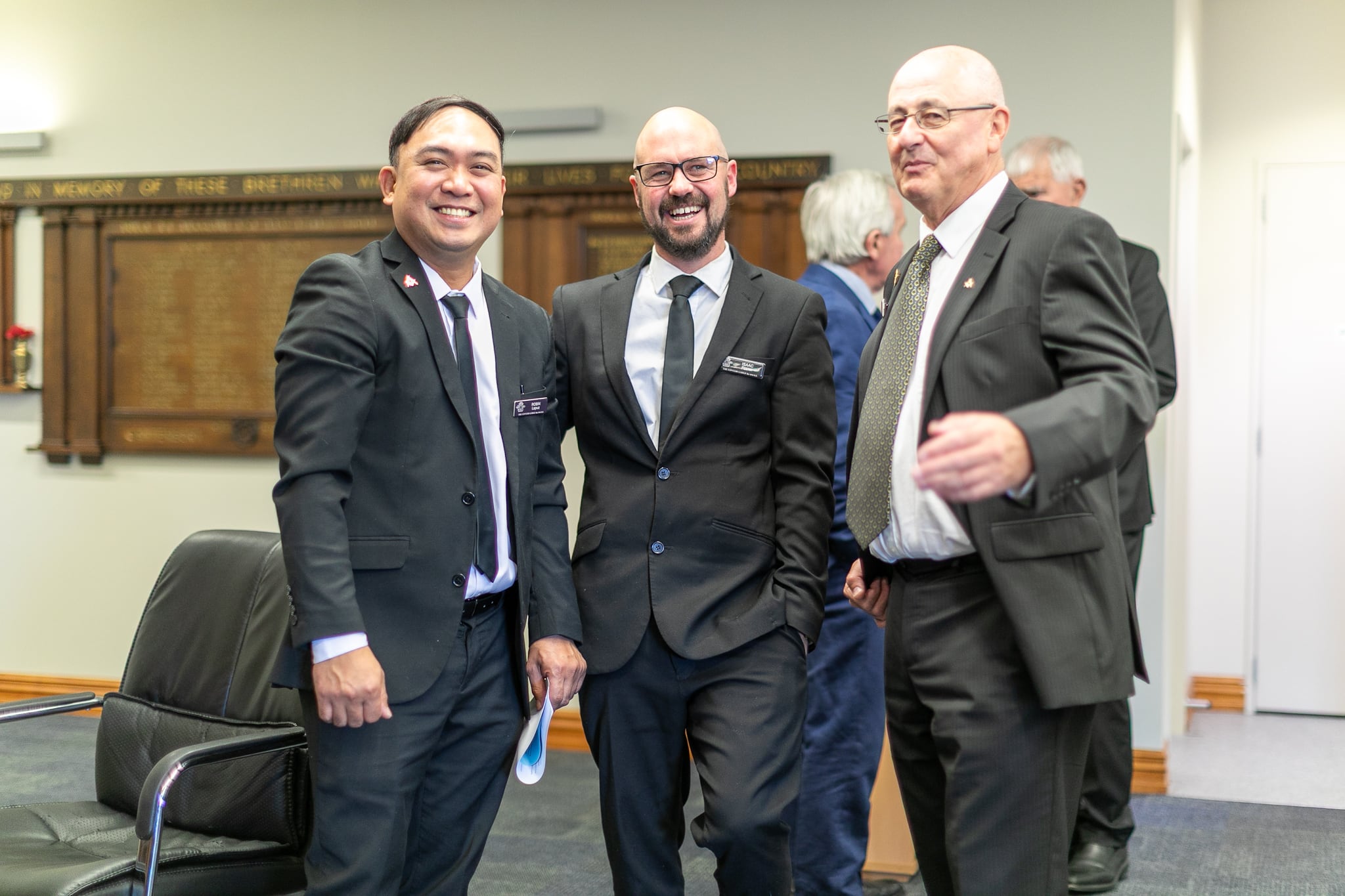
What we aim for
Vision
To attract those from all backgrounds and walks of life, enabling them to develop into more thoughtful and confident people. To inspire and challenge them to practise the core values we celebrate – Integrity, Friendship, Respect, Charity – in their private and public lives. To cement our reputation as a force for good in our communities and society at large and as a thriving organisation that people aspire to join.
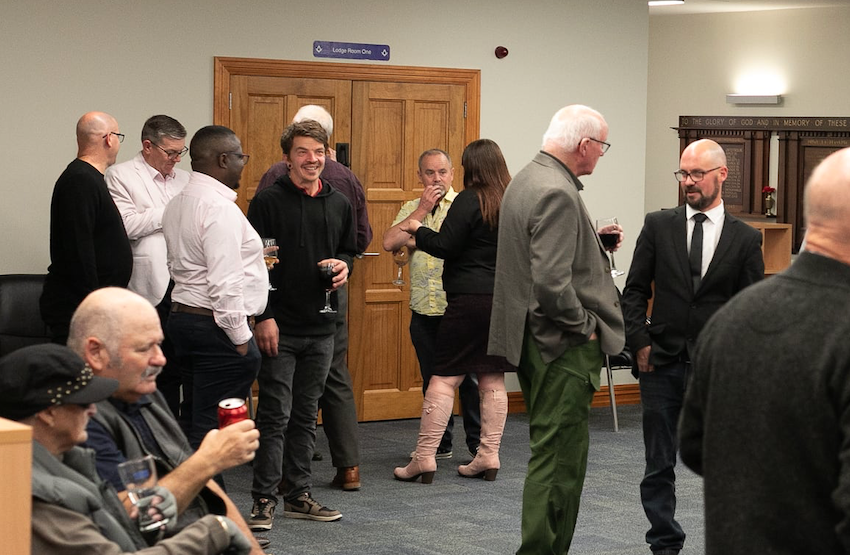
How we will achieve this
Mission
Over the next 7 years, we will enhance our reputation as a thriving organisation that people aspire to join and broaden our membership across all age groups.
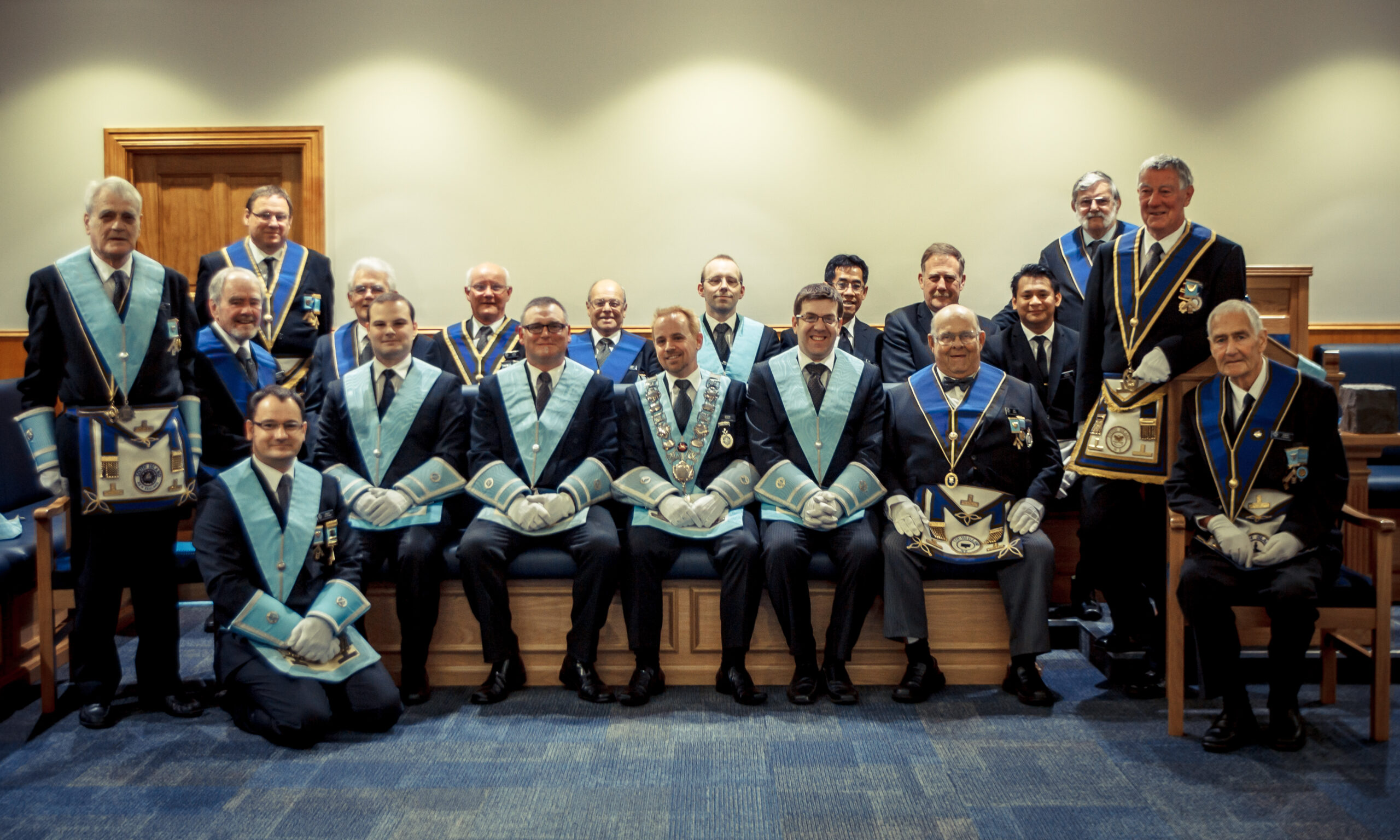
What is Freemasonry?
Freemasonry is one of the world’s oldest social and charitable organisations. Its origins are believed to lie in the traditional ceremonies of the medieval stonemasons who built many of the world’s amazing cathedrals and castles. For Freemasons today, there are four important values that help define their path through life. These are: Integrity, Friendship, Respect and Charity. Membership is open to any man over the age of 18, irrespective of their race, religion or social status.
Freemasons meet at lodge meetings, which are typically held in two parts. The first involves the lodge administration and working practises in a temple, a process made up of three degrees, each marked by a special ceremony. The second is a festive board, where members dine socially together with formal speeches and toasts. Making friends, contributing to society, celebrating tradition, learning and personal growth are all reasons to join Freemasonry.
Our Values

Integrity
Building good people
Rather than working on buildings like the masons of old, today’s Freemasons focus on building themselves as people of integrity, and membership provides the structure to help achieve that goal.

Friendship
Building together
One of the oldest social organisations in the world, Freemasonry is not defined by an ideology. It is open to people from all religions and political persuasions, and provides the common foundation for friendships between members, many of which will last for life.

Respect
Building unity
With a membership of more than 200,000 people drawn from communities across the UK, Freemasonry brings people together irrespective of their race, religion or any other perceived differences that can divide us as a society

Charity
Building compassion
Kindness and charitable giving are deeply ingrained within the principles of Freemasonry. The organisation provides a support structure that helps members make positive contributions to communities and worthwhile causes through fundraising events or volunteer work.
Discover Freemasonry
Freemasonry is one of the world’s oldest and most enduring social and charitable organisations, with roots stretching back to the traditions of the medieval stonemasons who built the great cathedrals and castles of Europe. Here in Te Wai Pounamu, the District Grand Lodge of the South Island New Zealand and our Lodges operate under the constitution of the United Grand Lodge of England (UGLE), the oldest Masonic Grand Lodge in the world, founded in London in 1717, which means we share in a rich, global brotherhood guided by four timeless values: Integrity, Friendship, Respect and Service. Whether you’re drawn by curiosity, a love of tradition and history, a desire to give back to your community, or simply the hope of finding good men to share a meal and a conversation with, Freemasonry offers something genuinely meaningful. Want to see what it’s actually like? Take a look at this short video to get a feel for what we’re about: https://youtu.be/stLrTAyOFh4
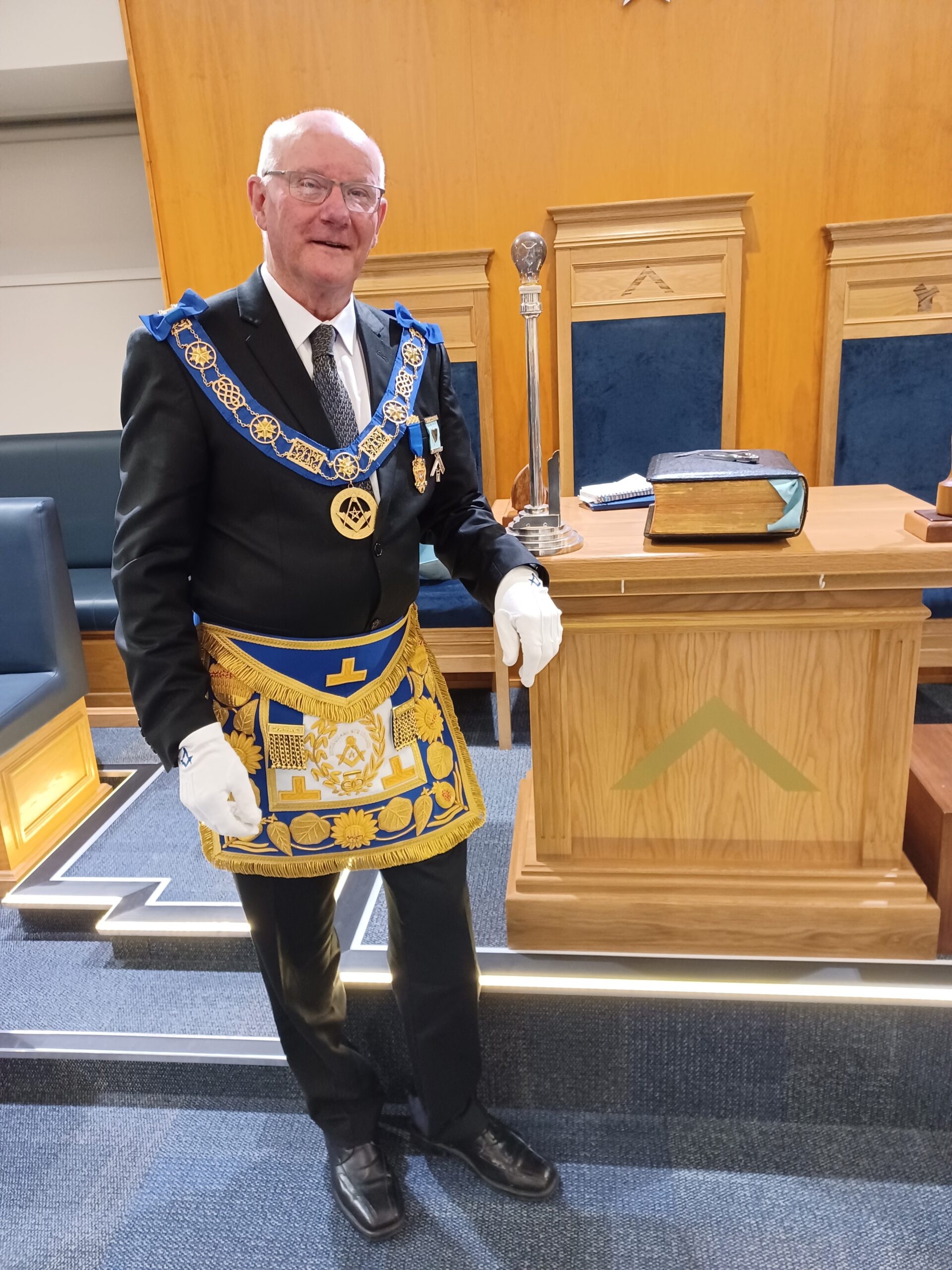
Right Worshipful District Grand Master John Soper
District History
South Island, New Zealand – District Grand Lodge
The District Grand Lodge was formed on 18 August 1973 by the amalgamation of the former Provincial District of Canterbury (1859), the Districts of Otago and Southland (1864) and Westland and Nelson (1870).
District Grand Lodge
The story of English Freemasonry in the South Island begins almost as soon as European settlers did, right in the thick of one of the most dramatic periods of colonial New Zealand’s history. The very first Masonic gathering on New Zealand soil took place in 1837 at Port Levy on Banks Peninsula when French Masons from aboard a whaling ship held a lodge meeting. From those modest beginnings, the craft took root quickly as British settlers arrived in numbers, bringing their values, their rituals, and their sense of brotherhood with them into a young and often rough colony.
By 1859 the English Freemasons of Canterbury had grown sufficiently to warrant formal recognition from London, and the Provincial District of Canterbury was established under the authority of the United Grand Lodge of England. The Canterbury District Grand Master Henry Thomson presided over nineteen lodges spread across the province. Five years later, in August 1864, Otago and Southland gained their own district. Thursday the 13th of August, 1864 was described as a red-letter day in the Masonic calendar of Otago, with over 200 craftsmen assembling for the installation of John Hyde Harris as the first Provincial Grand Master of Otago and Southland under the English Constitution. The timing was no coincidence: the Otago gold rush, which had started at Gabriel’s Gully in 1861, had transformed Dunedin almost overnight into New Zealand’s largest city, drawing men from across the world and creating real demand for the fellowship, structure, and mutual support that a lodge could provide.
Westland and Nelson followed in 1870, with the Pacific Lodge of Hokitika among the early lodges established on the West Coast, its membership including men like John Lazar (Provincial Grand Master and Hokitika’s first Town Clerk) and even a future Prime Minister, Richard John Seddon, who joined the Masons in Hokitika around 1868.
For over a century, these Districts, Canterbury, Otago and Southland, and Westland and Nelson, operated as separate bodies, each with its own Provincial or District Grand Master. The lodges that formed under them helped build the social fabric of colonial New Zealand: they were places where a doctor, a farmer, a merchant, and a miner could sit together as equals, bound by shared values rather than rank or wealth. Today the strong room in Amberley Lodge holds historical records of English Freemasonry in the South Island dating back to the mid-1850s, a reminder of just how deep those roots go and how carefully the brethren have preserved what was built.
On 18 August 1973 the districts were amalgamated to form the District Grand Lodge of the South Island, New Zealand, a single body covering the entire South Island and still operating under the authority of the United Grand Lodge of England (UGLE) in London.
More than 165 years after those first Canterbury lodges met in colonial Christchurch, the District Grand Lodge of the South Island remains one of UGLE’s overseas districts, a living connection to a global brotherhood that spans five continents and more than 6,800 lodges worldwide. The ceremonies conducted in our lodge rooms today would be recognisable to the men who gathered in Dunedin in 1864, or in Hokitika in the gold rush years. That continuity speaks to something real: a set of values and a way of relating to other men that has proven its worth across generations, cultures, and continents. If that sounds like something worth being part of, get in touch – we’d love to hear from you.
Lodges
There are currently 13 Lodges and 1 Royal Arch Chapter in the District, all of which have qualified for Centenary Warrants
Southern Star Lodge No. 735, – warranted 1858
Dunedin Lodge No. 931, – warranted 1862
Canterbury Lodge No 1048, – warranted 1864
Lodge of St John No 1137, – warranted 1865
Pacific Lodge of Hokitika No 1229, – warranted 1886
Greymouth Lodge No 1233, – warranted 1868
Lazar Lodge No 1689, – warranted 1877
Phoenix Lodge No 1690, – warranted
Winchester Lodge No 1737, – warranted 1877
Ashburton Lodge No 1811, – warranted 1877
The Conyers Lodge No 1916, – warranted 1879
Royal Arch Chapter
District Rulers
District Grand Master: John O Soper (2023)
Deputy Dist. GM: Franz v Zoggel (2023)
Asst.Dist. GM: Ray Moroney (2023)
Dist. G. Secretary: Peter Drummond (2026)
Past District Grand Lodge South Island Grand Masters
South Island, New Zealand
1858 John Charles Watts – Russell (Canterbury)
1868 William Donald (Canterbury)
1884 Henry Thomson (Canterbury)
1891 Peter Cunningham (Canterbury)
1897 Richard Dunn Thomas (Canterbury)
1905 Charles Dilworth Fox (Canterbury)
1913 Matthew Stoddart Brown (Canterbury)
1918 Norman Lindsay Macbeth (Canterbury)
1931 Matthew Stoddart Brown (Canterbury)
1935 John Ernest Purchase (Canterbury)
1945 John Francis Hutchinson (Canterbury)
1957 George Jobberns, CBE, DSC (Canterbury)
1966 Donald Alexander Munro (resigned 1973) (Canterbury)
1864 John Hyde Harris (Otago & Southland)
1881 Thomas Sherlock Graham (Otago & Southland)
1919 Joseph Skettowe Webb (Otago & Southland)
1924 William Rowland Hayward (Otago & Southland)
1935 John Jacobs (Otago & Southland)
1941 John Simpson (Otago & Southland)
1949 William Osborn Clark (Otago & Southland)
1955 Leslie Edward Arthur Lord (Otago & Southland)
1968 Edward William Pickford (later Dist GM SI) (Otago & Southland)
1870 John Lazar (Westland & Nelson)
1880 John Bevan (Westland & Nelson)
1912 Jesse Steer (Westland & Nelson)
1945 Frank Benjamin Lawn (Westland & Nelson)
1949 Arthur Henry Boyce (Westland & Nelson)
1956 Maj. John Watson (Westland & Nelson)
1962 Robert John Shand-Smith (Westland & Nelson)
1973 Edward William Pickford (South Island)
1974 Frederick Baxter Price (South Island)
1988 J. Gordon Baines (South Island)
1993 Geoffrey Kirk Friend (South Island)
2003 Geoffrey Wayne Rowe (South Island)
2017 Richard Malcolm Taylor (South Island)